
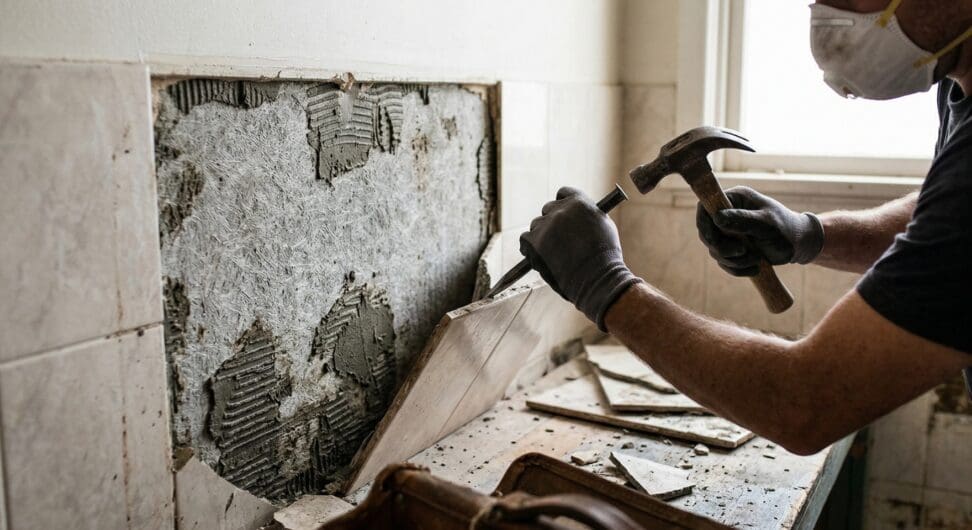
You hired a building inspector before buying your home. The report came back clean, or at least it did not flag asbestos as a concern. You moved in, lived there for a few years, and now you are planning a renovation. The contractor pulls off a wall panel and finds compressed asbestos sheeting behind it.
How did the inspector miss it?
The answer, in most cases, is that they were never looking for it in the first place. Standard pre-purchase building inspections in NSW are not asbestos inspections. They serve a different purpose, follow a different methodology, and have different limitations. Understanding those limitations is the first step toward protecting yourself.
What a Standard Building Inspection Actually Covers
A pre-purchase building inspection in Australia typically follows AS 4349.1 (Inspection of Buildings, Part 1: Pre-purchase inspections). The standard requires the inspector to identify major structural defects, safety hazards, and areas of significant concern visible during a non-invasive visual examination.
The key word is “non-invasive.” Building inspectors do not move furniture, lift carpets, remove wall linings, open ceiling hatches in every room, or take samples of materials. They observe what is visible and accessible on the day of the inspection.
Most pre-purchase inspection reports include a clause noting that the inspection does not include identification of hazardous materials such as asbestos, lead paint, or chemical contaminants. Some inspectors will note the presence of materials that appear to be asbestos cement (based on the building’s age and visible characteristics), but this is an observation, not a confirmed identification.
A building inspection tells you about the structural condition of the property. It does not tell you what the walls, ceilings, and floors are made of at a fibre level. That requires a dedicated asbestos inspection and sample testing process.
The Hotspots Inspectors Rarely Check
Asbestos was used in locations throughout residential buildings that are difficult or impossible to see during a standard visual inspection. These are the areas where asbestos is most commonly discovered during renovations, often as an unwelcome surprise.
Behind Ceramic Wall Tiles
In homes built before 1990, ceramic tiles in bathrooms, kitchens, and laundries were frequently installed over asbestos cement backing boards. The asbestos sheeting provided a rigid, water-resistant substrate for tile adhesive.
The problem is that you cannot see the backing board until the tiles are removed. A building inspector sees ceramic tiles on a wall and notes the condition of the tiles. They do not pull a tile off to check what is behind it. This makes bathroom walls one of the most common locations for asbestos discovery during renovation.
Beneath Vinyl Floor Tiles and Sheet Flooring
Vinyl floor tiles manufactured between the 1950s and 1980s often contain asbestos in the tile body itself. The adhesive (mastic) used to glue them to the subfloor can also contain asbestos. In some homes, newer flooring has been installed directly on top of the old vinyl, hiding the asbestos layer entirely.
A building inspector walks on the floor and notes its condition. They do not lift floor coverings to check what is underneath. A homeowner planning to replace flooring will not discover the asbestos until the top layer comes up.
Inside Wall Cavities
In some construction methods, asbestos-containing materials were used as internal linings, insulation batts, or packing within wall cavities. These materials are completely invisible from either side of the wall and can only be identified by opening the cavity or taking a sample through a small access hole.
Electrical Meter Boards and Switchboards
Asbestos cement was commonly used as a backing board for electrical meter boxes and switchboard enclosures due to its fire resistance and electrical insulation properties. These boards are often painted over and installed in utility areas, garages, or external enclosures where they receive little attention.
An electrician upgrading a switchboard may disturb this material. A building inspector notes that the electrical installation exists but does not inspect the material composition of the board itself.
Eave Linings and Soffit Panels
The underside of roof eaves (soffits) in many pre-1990 homes is lined with flat asbestos cement sheeting. While eave linings are sometimes visible during an external inspection, they are often painted and appear identical to modern fibre cement. An inspector may note their condition but is unlikely to identify them as asbestos-containing without sampling.
Over time, eave linings weather and deteriorate. Cracks, chips, and water damage can cause the material to become friable, releasing fibres into the outdoor environment around the home. This is particularly concerning when eave soffits are located above outdoor living areas, children’s play spaces, or air conditioning intake vents.
Roof Cavity Insulation and Pipe Lagging
Inside the roof cavity, asbestos was used in several forms: loose-fill insulation (the Mr Fluffy type, primarily an ACT and NSW issue), pipe lagging on hot water pipes, and insulation around flue pipes and chimneys.
Building inspectors access roof cavities through an inspection hatch where available, but their inspection is visual and limited. They are checking for structural issues, water damage, and pest activity. Identifying loose-fill asbestos or pipe lagging requires specific knowledge and, in many cases, laboratory testing.
Garage Wall and Ceiling Linings
Garages in older homes were commonly lined with flat asbestos cement sheeting because it was cheap, fire-resistant, and easy to install. Many homeowners do not think of the garage as a priority during a building inspection, and inspectors may give it less attention than the main dwelling.
Garage linings deteriorate faster than interior linings because garages are not climate-controlled. Moisture, temperature fluctuations, and physical damage from vehicles and stored items accelerate the breakdown of asbestos cement in garage environments.
Fencing
Asbestos cement (“Super Six”) fencing was widely installed across Sydney suburbs from the 1960s to the 1980s. While not part of the building structure, asbestos fencing is common in older suburbs throughout Western Sydney, the Macarthur region, and the Central Coast. Building inspectors typically focus on the dwelling itself and may not inspect boundary fencing in detail.
Damaged or deteriorating asbestos fencing can release fibres into neighbouring properties and garden soil, creating contamination risks that extend beyond the fence line.
Why This Gap Exists
The gap between what a building inspection covers and what an asbestos inspection covers is not a failing of building inspectors. It is a difference in scope.
Building inspections are designed to assess the structural and functional condition of a property within a reasonable timeframe and budget. Adding comprehensive asbestos identification to that scope would require invasive sampling, laboratory analysis, and specialist knowledge that falls outside the building inspection standard.
This is why the two services exist separately. A building inspection tells you whether the roof leaks and the foundations are sound. An asbestos inspection tells you what the building materials contain and whether they pose a health risk during renovation or maintenance.
For any property built before 1990, both inspections serve a purpose. Relying on one to do the job of the other creates blind spots.
What to Do About It
If you own a pre-1990 Sydney home and are planning renovation work, or if you purchased the property based on a building inspection that did not include asbestos testing, here are the practical steps.
Arrange a dedicated asbestos inspection. A licensed assessor will inspect the property specifically for asbestos-containing materials, including the hidden locations listed above. They will collect samples from suspect materials and send them to a NATA-accredited lab for confirmation.
Focus on renovation zones first. If a full property inspection is not in the budget right now, prioritise the areas where renovation work is planned. Testing the materials you intend to disturb is the minimum requirement before any work begins.
Ask for a comprehensive report. A good asbestos assessor will document every material sampled, every location tested, and every result. This report becomes part of your property records and can be expanded over time as additional areas are tested.
Consider an asbestos register. For homeowners who want a complete picture, an asbestos register documents all known and suspected asbestos-containing materials across the entire property. This is standard practice for commercial buildings and increasingly common for residential properties where the owner wants full documentation.
Before Your Next Renovation
A building inspection and an asbestos inspection answer different questions. If you are relying on a pre-purchase building report to tell you whether your walls contain asbestos, you are relying on a tool that was not designed for that job.
The hidden hotspots listed above are the locations where homeowners and renovation contractors encounter asbestos most often, and they are the locations least likely to be checked during a standard building inspection.
Testing before renovation is the only way to find them.
Contact Hazardous Removal Company for dedicated asbestos testing across the Sydney region. We inspect the areas that standard building inspections miss. SafeWork NSW licence AD213403.