
Asbestos does not only hide inside buildings. It can also be buried in the ground. Contaminated soil is found across Sydney on residential blocks, construction sites, former industrial land and even in garden beds where contaminated fill or mulch has been used. Hazardous Removal Company provides asbestos soil testing for homeowners, builders and developers who need to know whether their site is safe before excavation, landscaping or construction begins.
Why Asbestos Soil Testing Is Important
Asbestos fragments in soil become dangerous when the ground is disturbed. Digging, grading, trenching or even mowing over contaminated ground can release fibres into the air. Once airborne, those fibres can be inhaled by anyone nearby.
Contaminated soil is more common than most people expect. Older homes that had asbestos-containing materials removed or demolished in previous decades may have fragments buried around foundations, in garden beds or beneath driveways. The Sydney mulch contamination crisis also highlighted how asbestos can enter soil through commercially supplied landscaping materials.
If you are planning any ground disturbance on a site with an unknown history, testing the soil first is the safest and most cost-effective step you can take.
When You Need Asbestos Soil Testing
Before excavation or earthworks. Any site where digging is planned, whether for foundations, pools, retaining walls, drainage or underground services, should be tested if the land has a history of demolition, fill importation or industrial use.
After demolition of an asbestos-containing structure. Even when a building is professionally demolished, small fragments of asbestos can remain in the surrounding soil. Post-demolition soil testing confirms whether the ground is clear or requires remediation before new construction begins.
During property development. Councils and certifiers increasingly require evidence that soil is free from asbestos contamination before issuing construction or occupation certificates. Testing early in the development process avoids costly delays later.
After mulch or fill delivery. If you have received mulch, topsoil or fill material and are concerned about contamination, soil testing can confirm whether asbestos is present. This applies to both residential gardens and commercial landscaping projects.
As part of a site audit or due diligence. Buyers, developers and environmental consultants often need soil testing as part of pre-purchase due diligence or contamination assessments on land with a complex history.
How Asbestos Soil Testing Works
Step 1: Site assessment. One of our technicians visits the site to assess the area, review the site history and determine the appropriate sampling strategy. The number and location of samples depends on the size of the site, the type of ground disturbance planned and any known contamination risks.
Step 2: Sample collection. Soil samples are collected from the agreed locations at specified depths. Samples are placed in sealed containers and labelled with their exact location and depth for traceability. Our sampling methods follow the guidelines set out in the National Environment Protection (Assessment of Site Contamination) Measure.
Step 3: NATA-accredited laboratory analysis. Samples are sent to a NATA-accredited laboratory for analysis. The lab tests for the presence and concentration of asbestos fibres, including chrysotile, amosite and crocidolite. Results are reported against accepted threshold levels for the intended land use, whether residential, commercial or industrial.
Step 4: Written report. You receive a detailed report covering the sampling locations, laboratory results, whether asbestos was detected, the concentration levels and recommendations for next steps. If contamination is found, the report outlines remediation options including soil removal, capping or encapsulation.
What Happens If Asbestos Is Found in the Soil
If testing confirms asbestos contamination, the next steps depend on the concentration level and the intended use of the land.
For low-level contamination, capping the soil with clean fill or a physical barrier may be sufficient to manage the risk without full removal. For higher concentrations or sites where excavation is unavoidable, the contaminated soil will need to be removed and disposed of at a licensed facility. Our asbestos disposal service handles the transport and tipping of contaminated soil in full compliance with EPA requirements.
In either case, a remediation action plan is prepared and a validation report is issued after the work is completed. This documentation confirms the site meets the required standards for its intended use.
If the project also involves removing asbestos from a structure on the site, our team can coordinate both the building asbestos removal and the soil remediation as a single project. A clearance certificate is issued once all works are complete.
Frequently Asked Questions
Asbestos enters soil through demolition of older buildings, burial of asbestos waste, use of contaminated fill material, and delivery of contaminated mulch or topsoil. Fragments can remain buried for decades.
Test before any excavation or earthworks on sites with a history of demolition, fill importation or industrial use. Also test after demolition of an asbestos-containing structure, after receiving suspect mulch or fill, or as part of pre-purchase due diligence.
Options depend on the contamination level and intended land use. Low-level contamination may be managed by capping with clean fill. Higher concentrations typically require removal and disposal at a licensed facility, followed by a validation report.
Service
Areas we
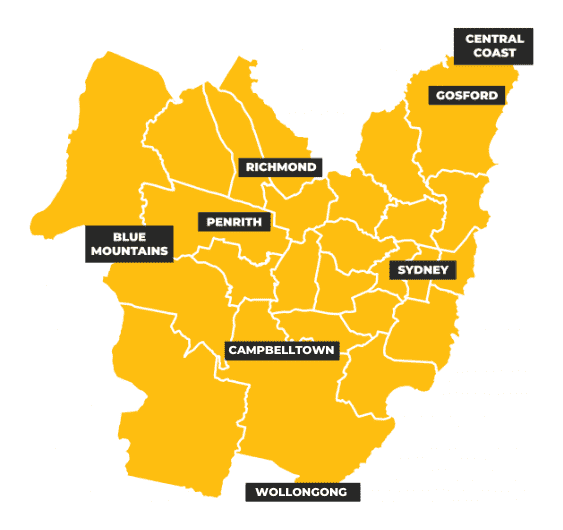
Sydney’s housing stock, particularly fibro homes in Western Sydney, Macarthur, the Inner West and the Northern Suburbs, was heavily built with asbestos-containing materials. The most common locations include bathroom walls and ceilings, garage wall cladding, eaves and soffits, laundry linings, kitchen splashbacks, roof sheeting, and fencing.
If your home was built between the 1940s and 1980s, it is very likely that at least some of these areas contain asbestos. Even homes renovated in the 1990s may still have original asbestos materials behind newer finishes.
Call us today:
Send an enquiry
We respond to enquiries within 24 hours.